Rudolph: A Christmas Crafts Asset for Sellers
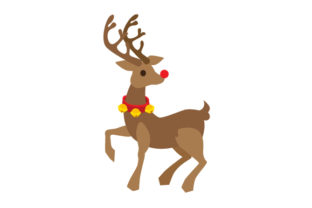
When evaluating a new graphic design asset for the upcoming holiday season, my first question is always about commercial viability. As digital product creators and Etsy sellers, we cannot rely solely on nostalgia; we need assets that convert views into sales. Upon reviewing Rudolph, the immediate impression is one of classic festive warmth balanced with clean vector lines suitable for modern production. This is not an overly complex, painterly illustration that might struggle in print; rather, it possesses a bold visual personality that reads well at both thumbnail size and full print resolution. For those of us building a Christmas crafts collection, this design strikes a necessary balance between traditional charm and contemporary commercial utility.
The mood of this asset leans towards playful yet polished, making it highly versatile for a wide demographic. It avoids being too juvenile, which opens up opportunities for adult crafters and small business branding, while still retaining enough whimsy to appeal to nursery decor buyers or children’s apparel designers. In a saturated creative marketplace, this specific aesthetic helps bridge the gap between rustic handmade vibes and professional print-on-demand merchandise. When I look at this file, I see a high potential for click-through rates because the silhouette is distinct even when scaled down for mobile browsing.
Testing Rudolph Across Product Categories
Before listing any digital download or physical product, I run a series of practical tests. With Rudolph, the inclusion of SVG, Transparent PNG, EPS, and DXF formats suggests the creator intended this for multi-platform use. My first test is always the Cricut project workflow. I imported the SVG design into Design Space to check node count and layer separation. A good commercial design should cut cleanly without requiring hours of weeding. This asset appears optimized for vinyl applications, making it ideal for t-shirt design, mug design, and wooden ornament creation. If you are selling cut files, verify that the layers are grouped logically so your customers do not face frustration during their own crafting process.
For print-on-demand sellers, the transparent PNG is the workhorse. I tested this file on both white and dark backgrounds to ensure edge quality. There is no unwanted halo or pixelation, which is critical for sublimation design and direct-to-garment printing. This makes Rudolph an excellent candidate for tumbler wraps and tote bag prints where background transparency is non-negotiable. Furthermore, the EPS format ensures that designers using Adobe Illustrator can scale the illustration infinitely for large-format packaging design or signage without losing fidelity. This versatility allows you to create a cohesive brand identity across different product sizes using a single master asset.
Strategic Applications for Digital Shops
Beyond physical merchandise, this graphic design asset has significant value in the digital product space. Canva template sellers can utilize the PNG version to create editable social media graphics or holiday invitation templates. Because the style is universally recognized yet distinct, it serves as a strong focal point in visual hierarchy. I can easily envision this as part of a larger design bundle, paired with complementary typography to increase perceived value. For bloggers and content creators, this illustration works beautifully as a header image or Pinterest pin graphic, driving traffic back to seasonal shop updates.
Printable wall art is another lucrative avenue. The clean lines of Rudolph translate exceptionally well to minimalist nursery prints or vintage-style gallery wall sets. When creating these listings, consider offering multiple aspect ratios. Since the source files include vector formats, resizing for 8x10, A4, or large poster sizes maintains crisp edges. Additionally, planner sticker designers will appreciate the scalability. By reducing the design to smaller dimensions, it becomes a charming accent for digital planners or printable sticker sheets. Just ensure that when scaling down for stickers, fine details remain legible and cut-friendly.
Optimizing Listings and Visual Presentation
A great asset fails if the listing photography does not do it justice. When preparing your Etsy product or Shopify listing, use Rudolph to tell a visual story. Do not just display the raw file; place it in realistic product mockups. Show the design on a textured linen shirt for a t-shirt design preview, or embedded in a cozy living room frame for wall art. This helps customers visualize the end result, significantly boosting conversion potential. For thumbnail appeal, ensure the main character is centered and occupies at least 70% of the frame. Avoid cluttering the primary image with excessive text or secondary elements that distract from the core illustration.
Visual consistency builds trust. If you are releasing a seasonal collection, use Rudolph as the anchor piece to establish a theme. Pair it with consistent color palettes and font choices across all your listings. Whether you choose a serif font for a traditional look or a handwritten font for a personal touch, maintain this typographic style throughout your shop. This creates a professional brand identity that encourages repeat purchases. Remember, customers often buy bundles because they trust the seller’s curation. Presenting this asset as part of a cohesive narrative rather than a standalone item can increase average order value.
Technical Considerations and Seller Warnings
While Rudolph is a robust asset, there are specific scenarios where caution is required. Avoid using this design for tiny sticker details unless you simplify the cut path first. Intricate internal lines may tear during weeding or fail to print clearly at very small scales. Similarly, be mindful of contrast when placing the design on dark merchandise. While the PNG is transparent, the default colors may not pop against black fabric without adding a white underbase layer in your RIP software or design tool. Always test print colors physically before launching a new print-on-demand line, as screen brightness often deceives the eye regarding red and green saturation.
File organization is a customer service issue that impacts reviews. When delivering this digital product, organize the files clearly. Label them descriptively (e.g., "Rudolph_SVG_CutFile.svg" rather than "design_001.svg"). Include a PDF instruction sheet that outlines usage rights and tips for best results. Crucially, verify the commercial license terms before selling finished products. Ensure you understand whether attribution is required or if there are limits on the number of physical units sold. Respecting intellectual property protects your business long-term. Finally, always keep your master files backed up. Losing access to the original EPS or DXF can halt production if you ever need to modify the design for a custom client request.
Final Verdict for Creative Entrepreneurs
In conclusion, Rudolph represents a solid investment for sellers focused on Christmas crafts and seasonal merchandise. Its technical execution supports both digital and physical product creation, while its aesthetic appeals to a broad range of buyers. By testing the asset thoroughly across different mediums—from Cricut projects to Canva templates—you can confidently integrate it into your shop. Focus on high-quality mockups, clear file delivery, and strategic bundling to maximize its commercial potential. As with any design asset, success lies not just in the file itself, but in how thoughtfully you apply it to solve your customer's creative needs this holiday season.